
Soy Sauce: The Soul of the Eastern Kitchen
Click to view how to choose soy sauce
If you've ever stepped into a Chinese restaurant and caught that sizzle from the wok—the deep, savory, slightly caramelized aroma—that’s likely the work of a small brown liquid: soy sauce. It’s not as sharp as vinegar, nor as dominant as salt. It doesn’t steal the spotlight—but it makes every dish come alive. In Asian kitchens, it’s the quiet, essential conductor of flavor. Yet for many Westerners, soy sauce remains something of a mysterious Eastern symbol—labeled plainly on supermarket shelves, yet rarely understood for what it truly is, or why it tastes so uniquely complex.
Today, let’s pull back the curtain on this humble bottle of liquid gold.
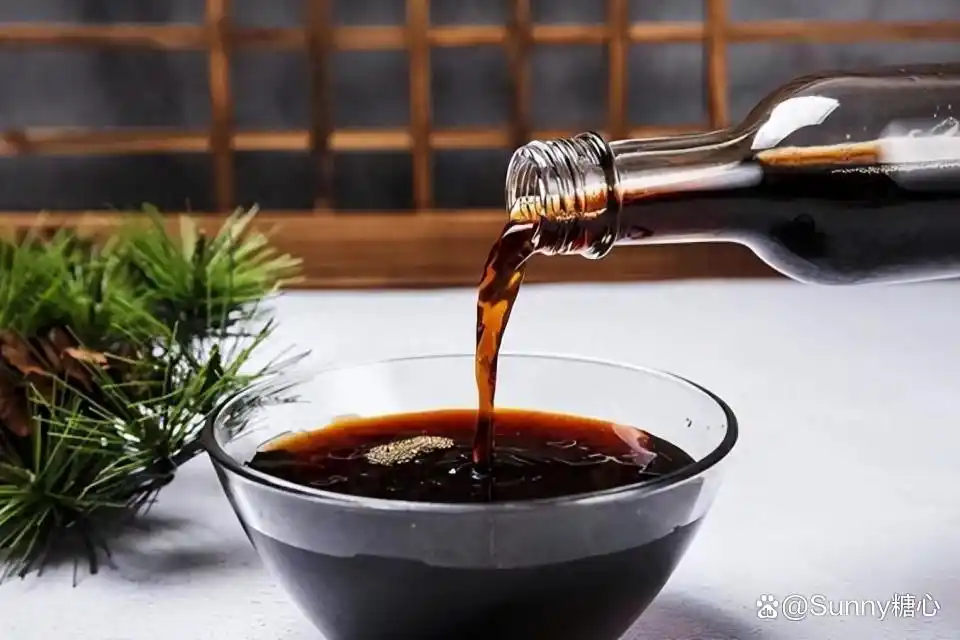
A Bean’s Long Journey
Soy sauce begins with the soybean—a crop cultivated in East Asia for over three thousand years. But make no mistake: soy sauce isn’t “pressed” like olive oil. It’s a dance of time and microbes, a slow, patient art of fermentation. Traditionally, it starts with soaking and steaming soybeans. At the same time, wheat is lightly roasted and ground, releasing a warm, nutty aroma. The two are mixed and inoculated with a natural mold called Aspergillus oryzae—a step known as “koji” making. Yes, mold. But don’t be alarmed—this mold is the heart of East Asian fermentation. It acts like a skilled craftsman, breaking down proteins into amino acids and starches into sugars. This is where umami—that deep, savory fifth taste—is born.
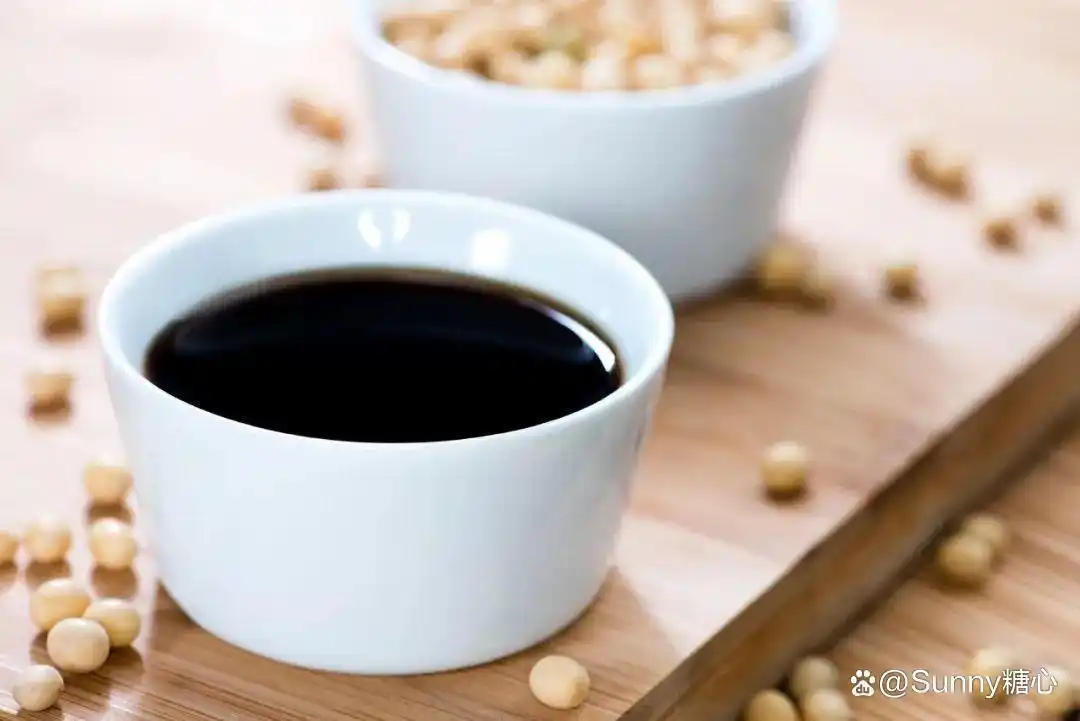
Then, the koji is moved into large wooden barrels or ceramic vats, mixed with brine, and left to ferment—anywhere from several months to three years. The longer it ages, the richer and deeper the flavor. Picture this: in a traditional workshop under the southern sun, old soy sauce barrels breathe with the seasons. Spring brings humidity, summer heat, autumn coolness, winter stillness. Each drop of sauce absorbs the rhythm of time. After fermentation, the liquid is pressed out, filtered, and often aged further before becoming the soy sauce we know.
More Than One Sauce: The Soy Sauce Family
Many think there’s just one kind of soy sauce. But in Asia, it’s more like wine—diverse, nuanced, and context-specific.
Light Soy Sauce – Lighter in color and saltier in taste, it’s the go-to for stir-fries and dressings.
Dark Soy Sauce – Simmered longer, darker and slightly sweet, its main job is coloring—giving dishes like braised pork that glossy, rich hue.
Soy Sauce Paste – Thick and syrupy, often used as a dip or glaze. It’s soy sauce turned up to eleven.
Why You Should Reconsider Soy Sauce
In the West, soy sauce is often reduced to “takeout condiment” or “low-fat salt substitute.” But real soy sauce is so much more. It’s a natural umami booster—no MSG needed. It makes vegetables sing and meat taste richer. Try a splash of light soy in your vegetable broth, or a few drops of soy paste on roasted carrots. You’ll be surprised. More importantly, it’s part of sustainable eating. Traditionally made soy sauce from non-GMO beans follows the rhythm of nature—slow, seasonal, and deeply connected to the land.
A Bottle That Bridges East and West
Today, in a vegetarian bistro in Paris, a chef uses soy sauce in a mushroom glaze. In a home kitchen in LA, a mom marinates chicken wings with it. At a food market in London, small-batch soy sauce brands are gaining fans. Soy sauce is no longer just “exotic flavor.” It’s becoming a universal language of flavor.So next time you reach for that bottle, take a moment. It’s not just a condiment. It’s a story—of beans, microbes, seasons, and centuries of taste.
Soy sauce reminds us: the deepest flavors come from the slowest processes.
Want to know how to choose a good soy sauce? Here’s our guide to picking the best bottle.